Types of knee meniscal tears
Types of meniscus tears and their impact on mobility

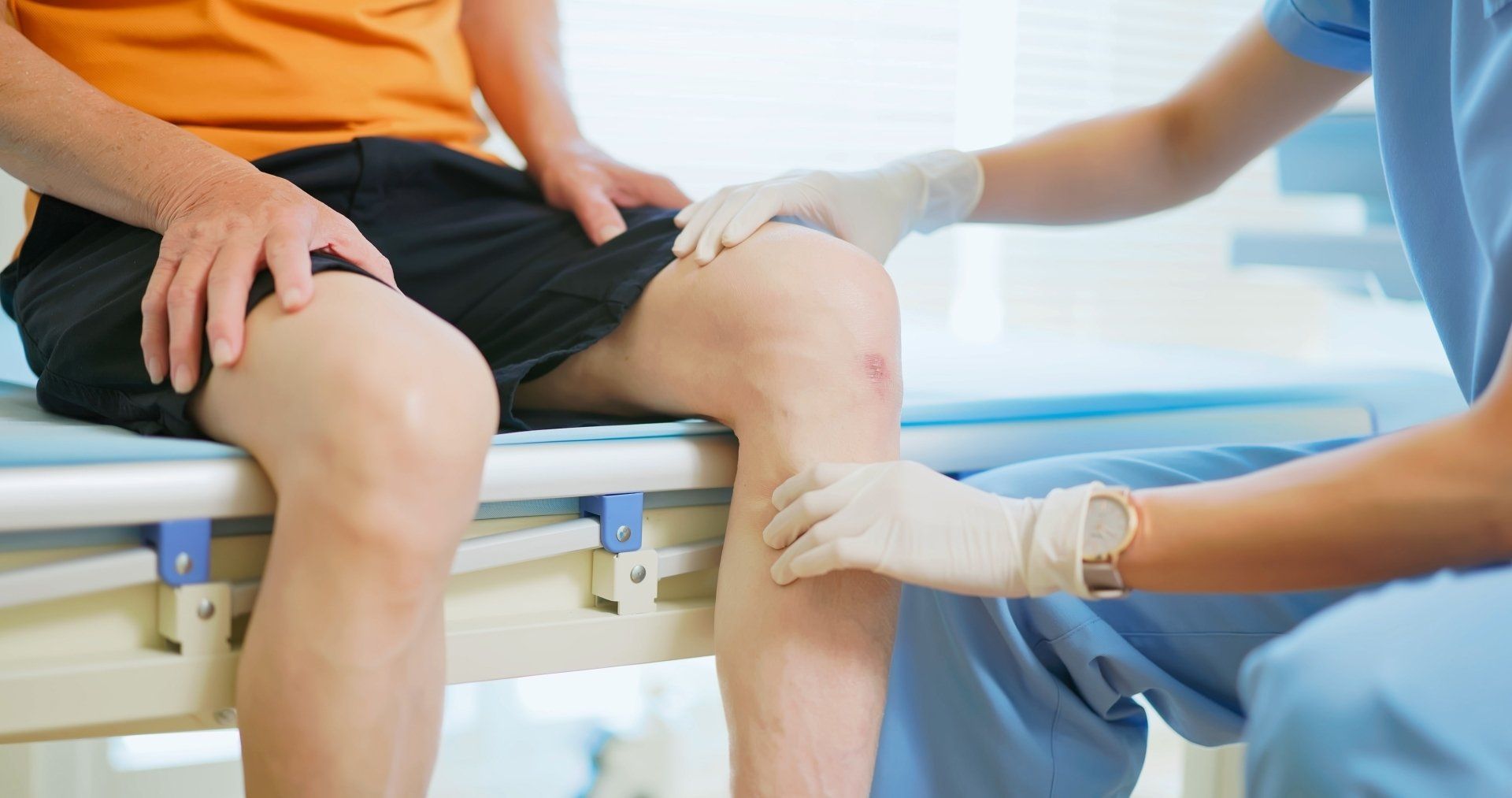
A meniscus tear is one of the most common causes of knee pain and limited mobility. The meniscus is a C-shaped piece of cartilage that cushions the knee joint, absorbs shock, and helps stabilize the knee during walking, running, and other daily activities. When this cartilage is torn, patients often experience pain, swelling, stiffness, and difficulty moving comfortably.
Meniscus tears affect athletes, active adults, and older individuals alike. While many people assume surgery is the only treatment option, this is not always the case. Approximately half of all meniscus tears occur in portions of the meniscus that receive a blood supply, giving the tissue the potential to heal under the right conditions.
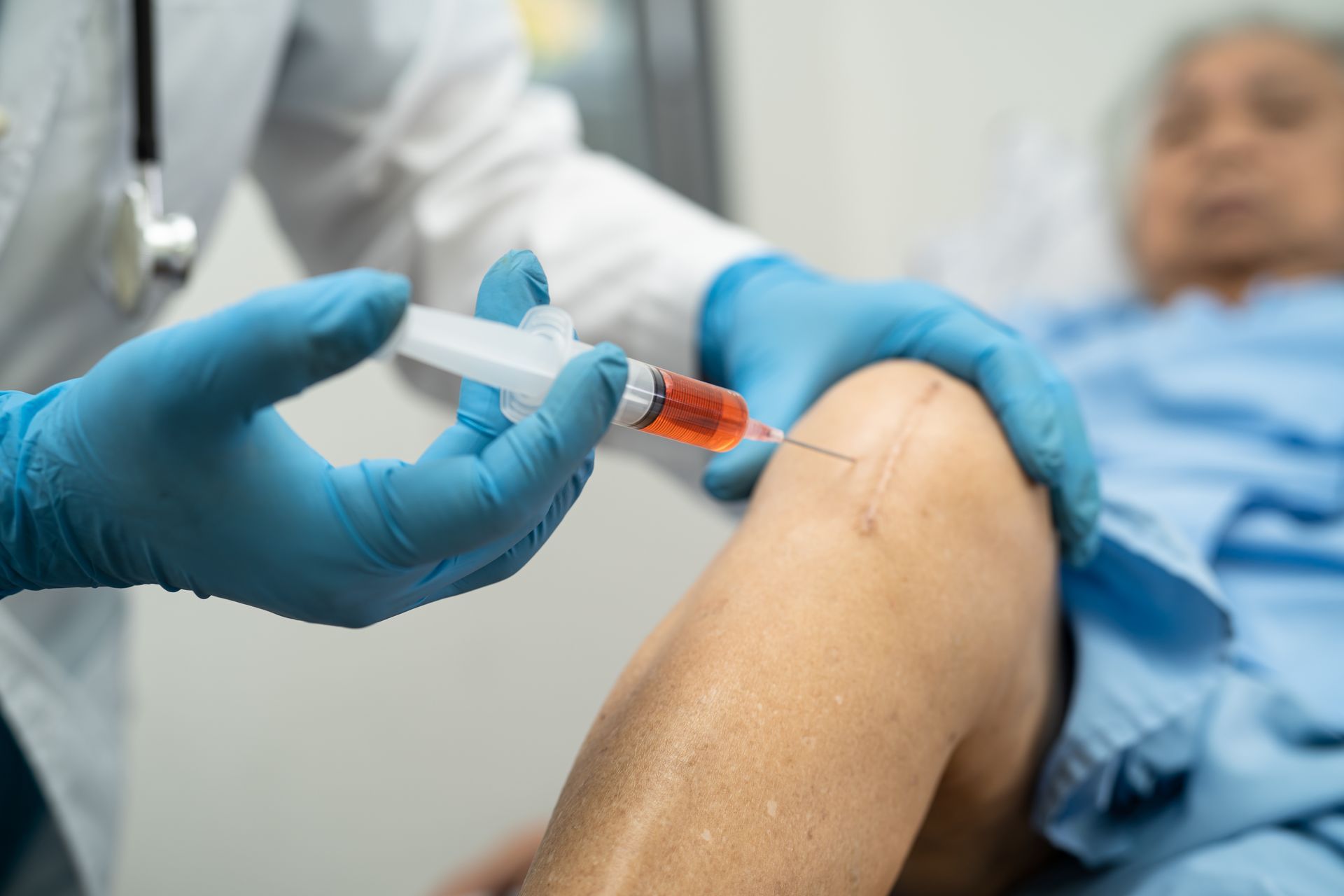
At Spectrum Stem Cell Center, we utilize advanced interventional orthobiologic procedures, including Spectrum Regen protocols, to support the body's natural healing response. For appropriately selected patients, these minimally invasive treatments may offer an alternative to surgery and long-term pain medications.
Understanding the Meniscus
Each knee contains two menisci located between the femur (thigh bone) and tibia (shin bone). These specialized cartilage structures perform several essential functions, including:
- Absorbing shock during weight-bearing activities
- Evenly distributing forces across the knee joint
- Reducing friction between bones
- Improving joint stability
- Protecting the articular cartilage from excessive wear
When a meniscus tears, these protective functions become compromised, often resulting in pain, inflammation, mechanical symptoms, and reduced mobility.
Meniscus injuries are among the most frequently diagnosed orthopedic knee conditions, affecting an estimated 14% of the general population. They commonly occur during twisting movements, sudden changes in direction, pivoting, or deep squatting. They may also develop following traumatic injuries such as motor vehicle accidents or gradually over time as the cartilage naturally weakens with age.
Common Symptoms of a Meniscus Tear
The severity of symptoms depends on the size, location, and type of tear. Interestingly, some small tears may produce few or no symptoms. Research has shown that more than 60% of individuals with MRI-confirmed meniscus tears reported little or no pain.
When symptoms do occur, they commonly include:
Knee Pain
Pain usually develops along the inside or outside joint line where the meniscus is damaged. Discomfort often worsens with walking, squatting, twisting, climbing stairs, or prolonged standing.
Swelling
Following injury, the body's inflammatory response increases blood flow and fluid around the damaged tissue. Swelling may appear within hours or develop gradually over several days.
Stiffness
Inflammation and joint irritation frequently limit normal knee motion, making it difficult to fully bend or straighten the leg. Everyday activities such as walking, kneeling, or getting out of a chair may become uncomfortable.
Popping or Clicking
Many patients report hearing or feeling a "pop" when the injury occurs. Afterwards, clicking, popping, or grinding sensations—known medically as crepitus—may develop as the torn cartilage moves within the joint.
Knee Locking
Certain tears can cause a fragment of the meniscus to become trapped inside the joint. This mechanical blockage may temporarily prevent the knee from fully bending or straightening, creating a sensation that the knee has "locked."
Knee Instability
Because the meniscus contributes to joint stability, larger tears may leave patients feeling as though the knee is giving way during walking, exercise, or sports.
What Causes Meniscus Tears?
Meniscus tears generally fall into two primary categories: acute and degenerative.
Acute Meniscus Tears
Acute tears occur suddenly after a forceful twisting movement or traumatic injury. They are frequently seen in athletes participating in sports that involve rapid cutting, pivoting, jumping, or sudden stops, including:
- Basketball
- Soccer
- Football
- Tennis
- Skiing
Other causes include falls, workplace injuries, and motor vehicle accidents.
Degenerative Meniscus Tears
Degenerative tears develop gradually over time as the cartilage naturally loses strength and elasticity with age. These tears may occur during routine activities such as standing up from a chair, kneeling, or stepping off a curb.
Several factors increase the risk of degenerative meniscus injuries, including:
- Aging
- Osteoarthritis
- Obesity
- Previous knee injuries
- Occupations involving repetitive kneeling or squatting
- Smoking
- Weak leg muscles
- Sedentary lifestyle
Types of Meniscus Tears
Not all meniscus tears are the same. The location and pattern of the tear often determine symptoms, healing potential, and treatment recommendations.
Radial Tears
Radial tears begin at the inner edge of the meniscus and extend outward. These are among the most common tear patterns and often interfere with the meniscus' ability to distribute weight across the knee.
Horizontal Tears
Horizontal tears divide the meniscus into upper and lower portions. They are commonly associated with age-related degeneration and may sometimes form fluid-filled cysts along the joint line.
Vertical (Longitudinal) Tears
These tears run parallel to the outer edge of the meniscus. Because they frequently occur in the portion of the meniscus with a healthy blood supply, they often have a greater capacity for healing.
Bucket Handle Tears
A bucket handle tear is a large displaced longitudinal tear in which a portion of the meniscus flips into the center of the knee joint. This often causes painful locking and typically requires prompt medical evaluation.
Flap Tears
Flap tears create loose pieces of cartilage that can catch between the bones during movement, producing pain, clicking, and intermittent locking.
Complex Tears
Complex tears involve multiple tear patterns simultaneously. They are more common in older adults with degenerative knee changes and can be more difficult to treat due to the extent of cartilage damage.
Treatment Options
Treatment depends on several factors, including the type of tear, its location, symptom severity, activity level, and overall knee health.
Conservative treatment may include:
- Activity modification
- Physical therapy
- Bracing
- Anti-inflammatory strategies
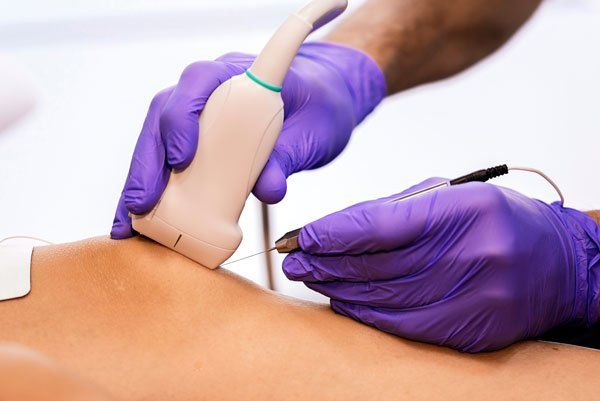
For patients with persistent symptoms who wish to avoid surgery, interventional orthobiologic procedures may provide another option. Spectrum Regen procedures utilize precisely guided injections containing the patient's own biologic materials to support the body's natural healing response. Because these treatments are minimally invasive, many patients are able to avoid prolonged recovery associated with surgery while working toward improved function and pain relief.
A comprehensive evaluation, including advanced imaging when appropriate, helps determine whether regenerative orthopedic treatment may be an appropriate option.
When to See a Knee Specialist
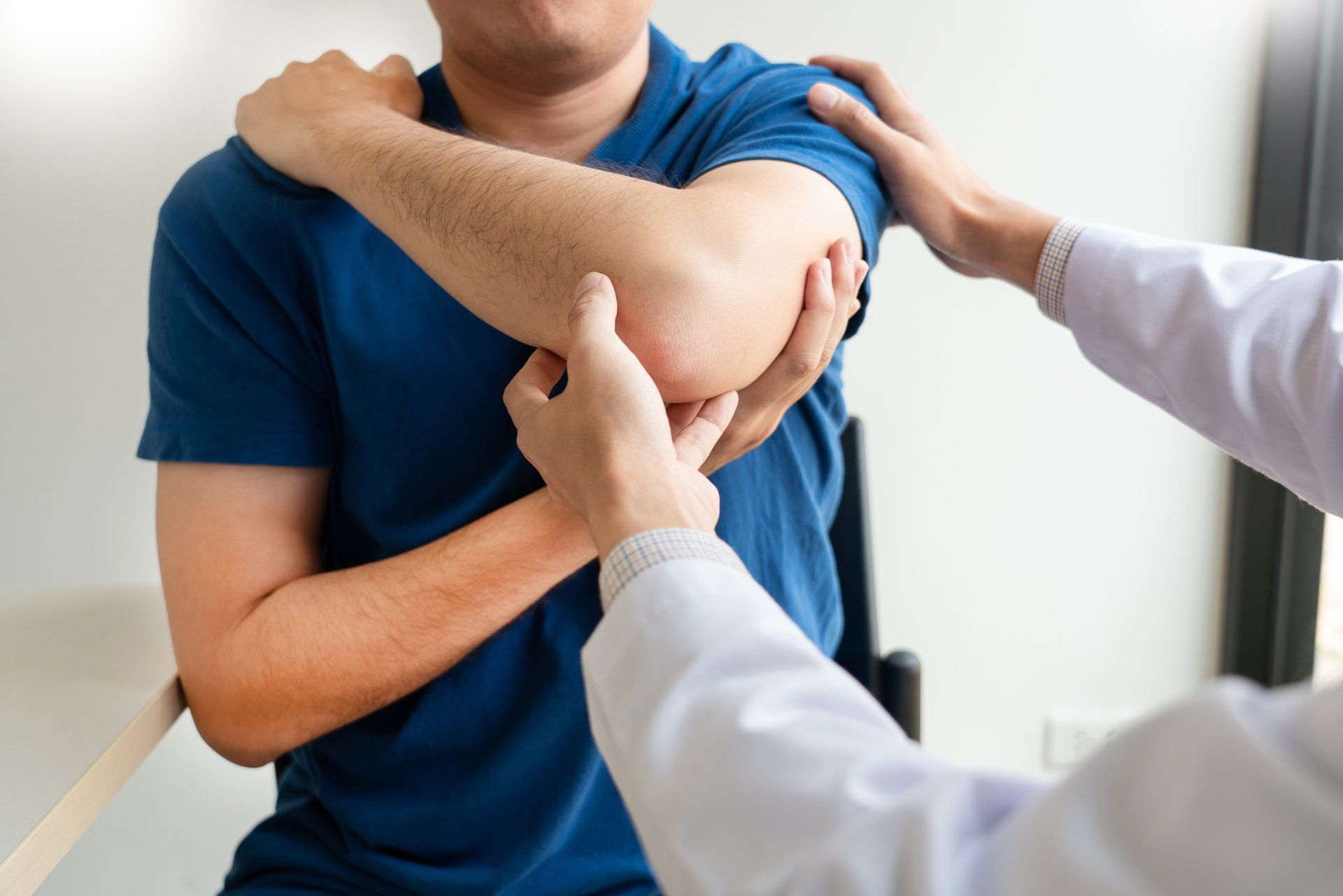
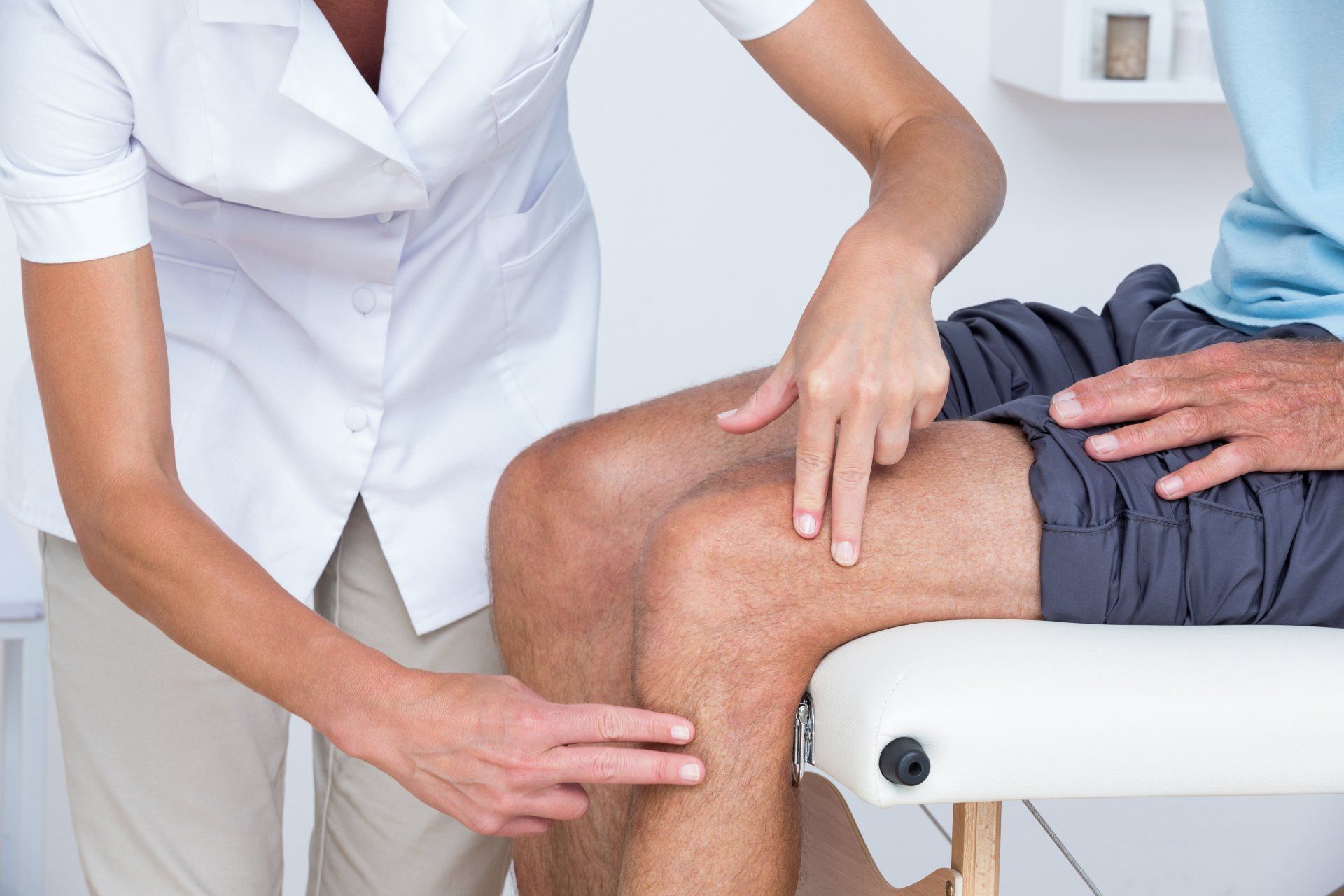
If knee pain, swelling, instability, or locking persists for more than a few days, it is important to seek evaluation. Early diagnosis allows for more treatment options and may reduce the risk of additional cartilage damage.
At Spectrum Health Medical Clinic, our team specializes in diagnosing and treating meniscus injuries using evidence-based, non-surgical orthopedic therapies whenever appropriate. We develop individualized treatment plans designed to relieve pain, restore mobility, and help patients return to the activities they enjoy.
Luvsannyam E, Jain MS, Leitao AR, Maikawa N, Leitao AE. Meniscus Tear: Pathology, Incidence, and Management. Cureus. 2022 May 18;14(5):e25121. doi: 10.7759/cureus.25121. PMID: 35733484; PMCID: PMC9205760.
Kurosawa, H, Fukubayashi, T, Nakajima, H. Load-bearing mode of the knee joint: physical behavior of the knee joint with or without menisci. Clin Orthop Relat Res 1980;149:283-290