Stem Cell and PRP Therapy for Knee Osteoarthritis: A Physician's Perspective
A Physician's Guide to Regenerative Treatment for Knee Osteoarthritis

Knee osteoarthritis (OA) is one of the most common causes of chronic pain and disability we see in clinical practice. For many patients, the gradual loss of cartilage, inflammation within the joint, and changes to the surrounding bone lead to pain that interferes with daily life. Medications, physical therapy, and corticosteroid injections may offer temporary relief, but they often don't address the underlying joint environment or provide lasting improvement. Steroid injections in particular can work against the long-term health of the joint.
Regenerative medicine, including platelet-rich plasma (PRP) and stem cell-based therapies, has emerged as a treatment option for appropriately selected patients looking to reduce pain, improve function, and potentially delay the need for joint replacement. These therapies aren't a cure for osteoarthritis, and research is ongoing, but many patients experience meaningful improvement when they're carefully evaluated and treated by an experienced physician.
What Does Treatment Involve?
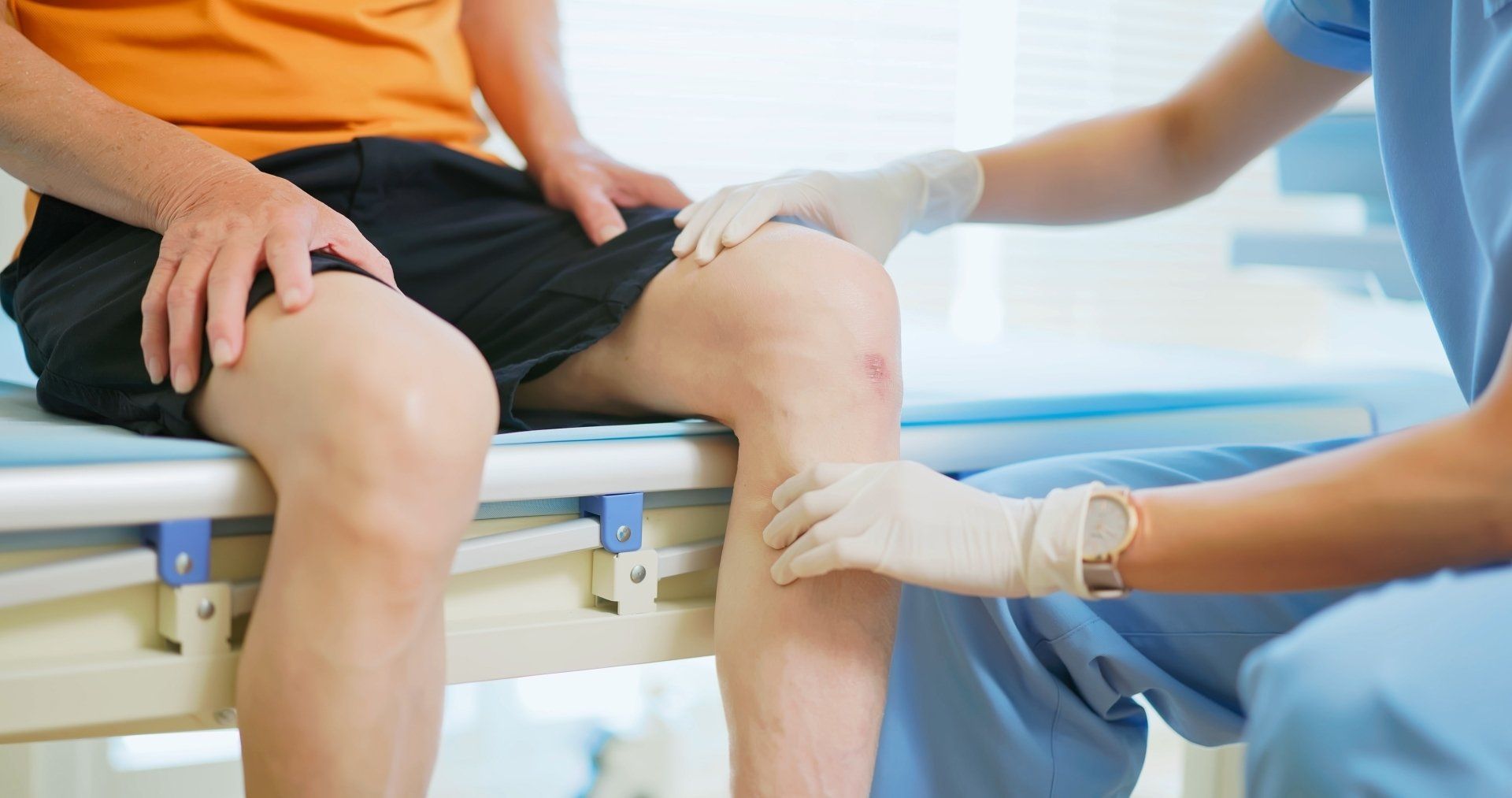
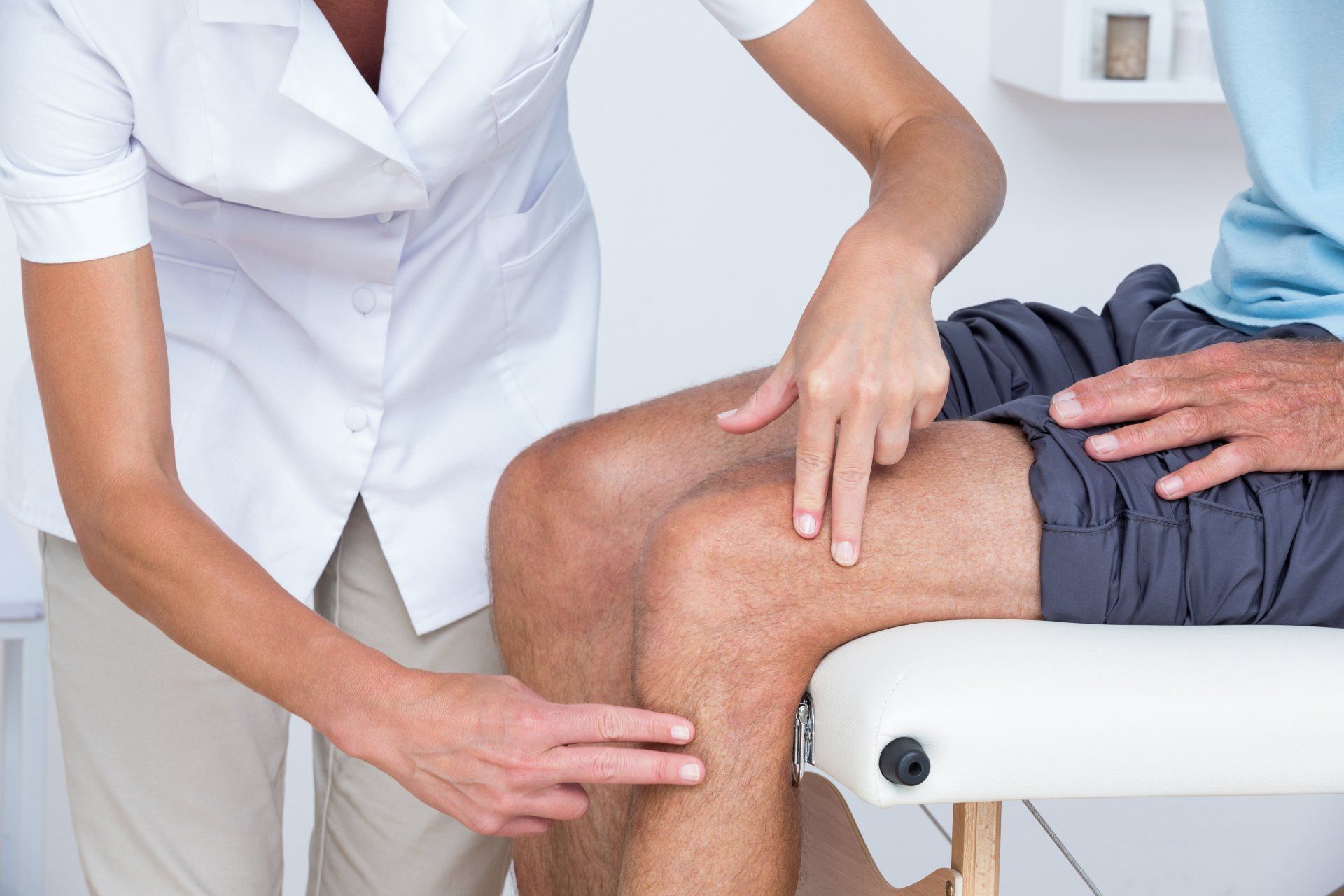
Every patient begins with a comprehensive evaluation that includes a detailed history, physical examination, and review of X-rays or MRI imaging when appropriate. The severity of arthritis, joint alignment, stability, activity level, body weight, and overall health all influence whether regenerative therapy is right for you.
Platelet-Rich Plasma (PRP)
PRP is created by drawing a small sample of the patient's own blood and processing it in a specialized centrifuge to concentrate platelets and white blood cells that support a healing immune response. These platelets contain numerous growth factors and signaling proteins that help regulate inflammation and support the body's natural healing response.
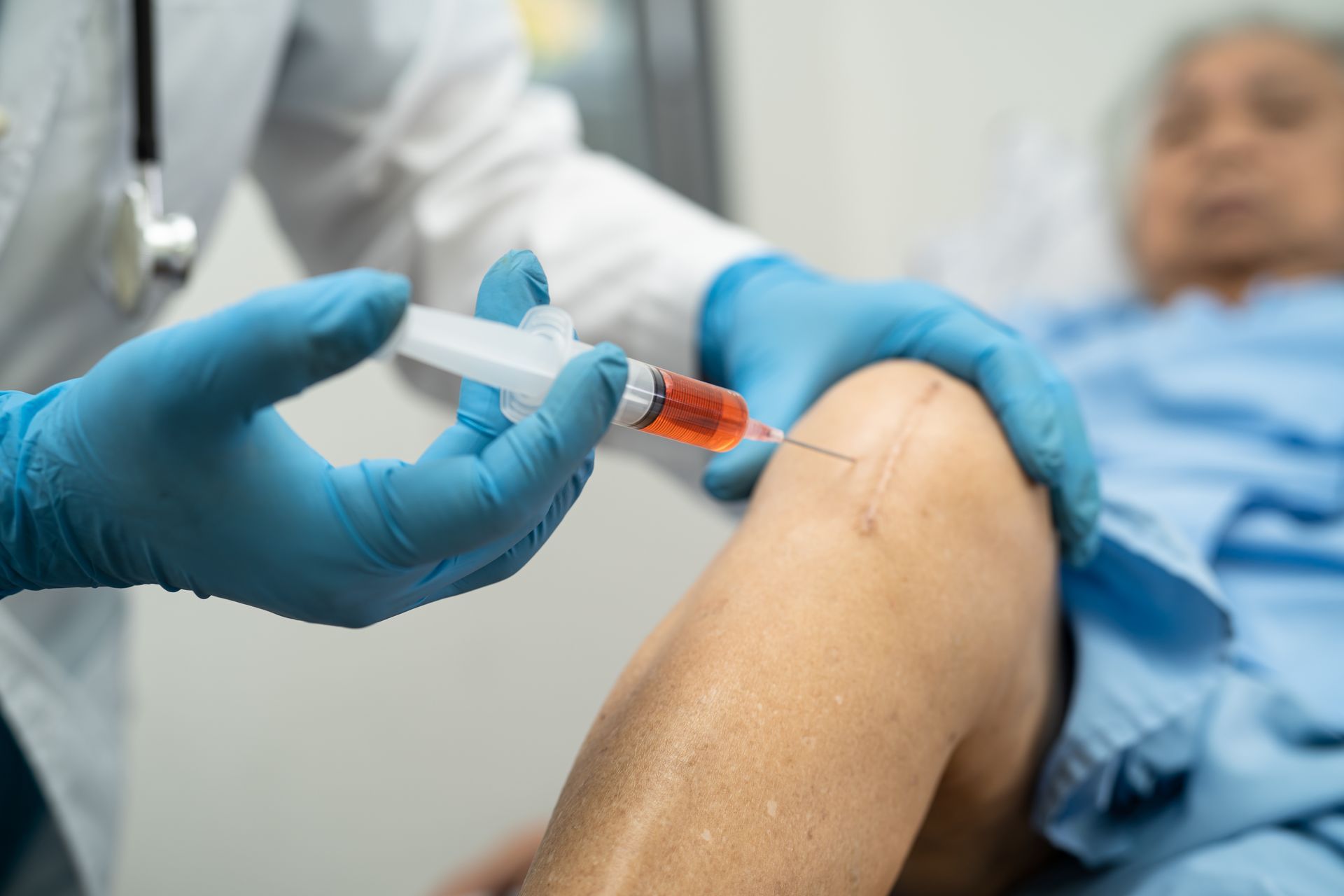
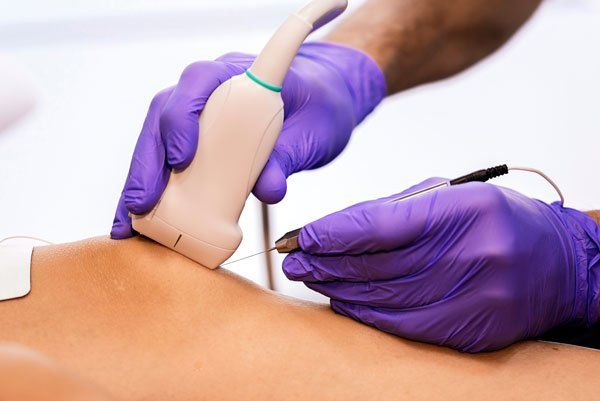
After preparation, the PRP is injected directly into the knee joint under sterile conditions. In many cases, ultrasound or fluoroscopic guidance is used to confirm accurate placement of the injectate.
Unlike corticosteroid injections, which primarily suppress inflammation, PRP is intended to create a more favorable biologic environment within the joint. Clinical studies have shown that many patients with mild to moderate knee osteoarthritis experience improvements in pain and function following PRP treatment.
Stem Cell-Based Therapy
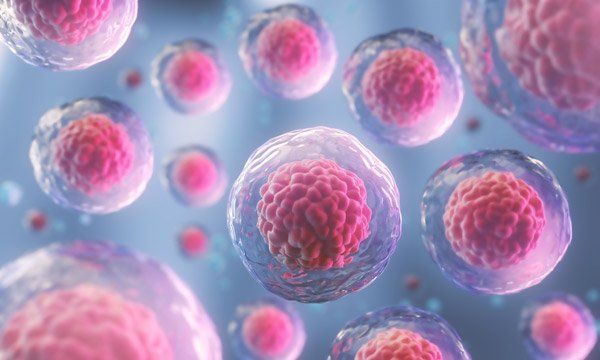
Stem cell procedures generally involve harvesting a patient's own regenerative cells, most commonly from bone marrow or adipose (fat) tissue, depending on the treatment plan and physician preference. The tissue is processed to concentrate mesenchymal stem cells and important biologic components before being injected into the affected knee. We call this injectate an "orthobiologic."
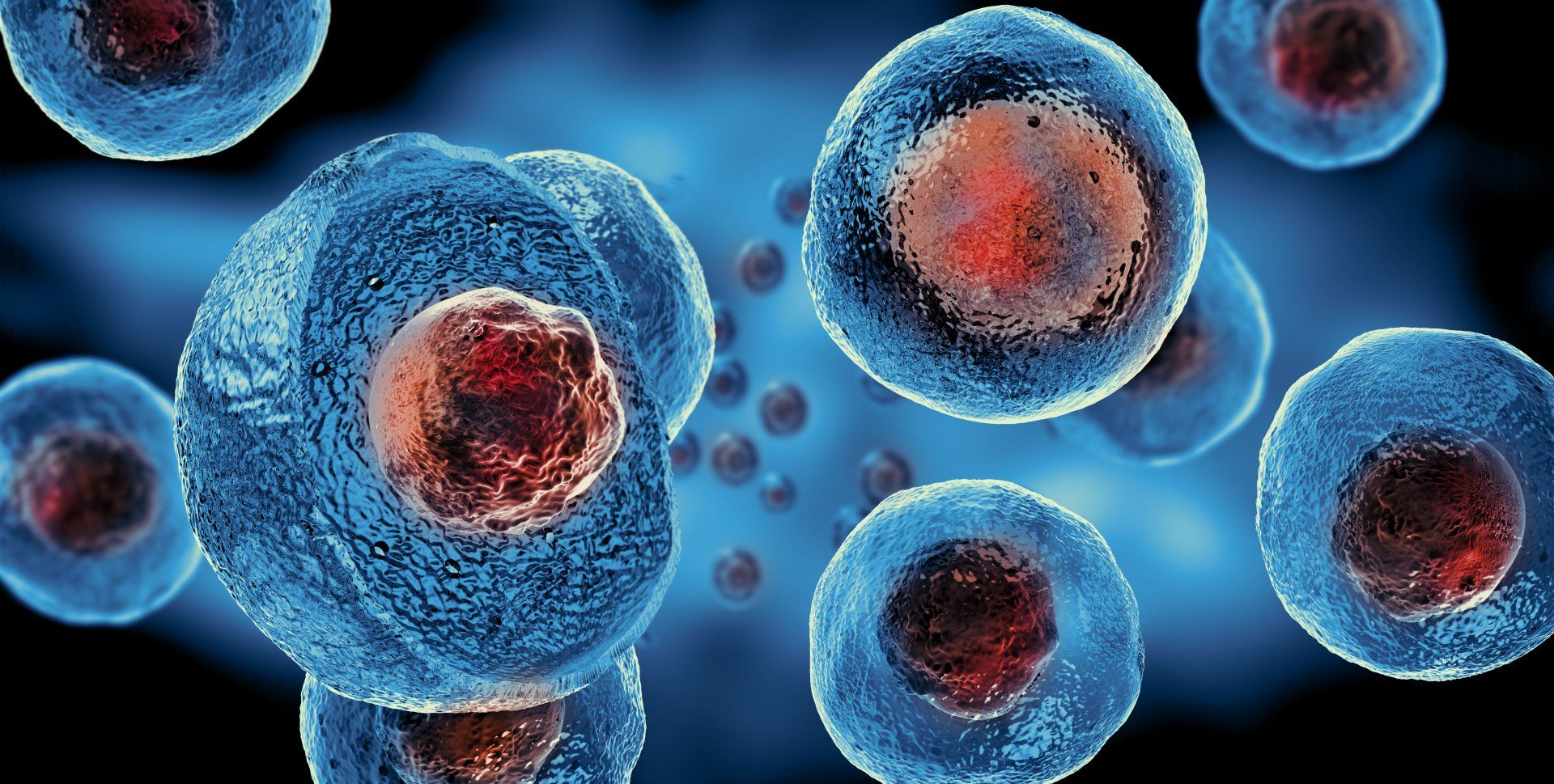
These orthobiologics contain mesenchymal stem cells, scaffolding elements, and signaling molecules that may help support tissue repair while modulating inflammation. Research continues to evolve, and these treatments are actively being studied for their potential role in improving pain and joint function in selected patients.
The procedure is typically performed as an outpatient visit in the office using local anesthesia. Patients can return home the same day.
Who Is a Good Candidate?
Not every patient with knee arthritis is an ideal candidate for regenerative medicine. Success starts with proper patient selection based on severity, medication history, weight, and overall health. We take great pride in selecting the right patient over chasing profit.
Patients who may benefit include those who:
- Have mild to moderate, and in some cases moderate-severe, knee osteoarthritis. We like to review X-rays and MRIs first.
- Continue to experience pain despite conservative treatment such as physical therapy, anti-inflammatory medications, or previous injections.
- Are trying to remain active while exploring alternatives before considering knee replacement surgery.
- Have focal cartilage injuries or early degenerative joint changes.
- Are in generally good health and able to participate in post-procedure rehabilitation.
Patients with severe bone-on-bone arthritis, significant joint deformity, untreated ligament instability, active infection, or certain systemic conditions (uncontrolled diabetes, active cancer, recent heart attack or stroke) may be less likely to benefit and should undergo a thorough evaluation before treatment is considered.
What Should Patients Expect?
One of the most important conversations we have with patients is setting realistic expectations.
Regenerative medicine is not an overnight solution. Unlike corticosteroid injections, which may provide rapid but temporary symptom relief, PRP and stem cell-based therapies work gradually as the body's biologic response develops. The knee needs time to heal, typically 8 to 12 weeks.
Most patients experience some soreness for several days following the procedure, resolving within the first week. Temporary swelling or stiffness is common as well.
Improvement often begins over several weeks, with many patients reporting continued progress over the following three to six months. The goal is to reduce pain, improve mobility, enhance quality of life, and help patients return to the activities that have become difficult because of knee arthritis.
Results vary from person to person. Age, arthritis severity, body weight, activity level, joint alignment, and adherence to rehabilitation all influence outcomes. We typically see patients improve for two to five years after a single set of injections, sometimes longer depending on pre-procedure function.
A Comprehensive Approach Matters
In our experience, regenerative medicine works best as part of a comprehensive treatment strategy rather than an isolated treatment.
Patients are encouraged to maintain a healthy body weight, strengthen the muscles surrounding the knee, improve flexibility, and modify activities when necessary. Physical therapy and improved functional capacity frequently complement regenerative treatments.
The objective isn't simply to treat an X-ray. It's to improve how patients feel and function in daily life.
Final Thoughts
Knee osteoarthritis affects every patient differently, and there's no single treatment that's ideal for everyone. Platelet-rich plasma and stem cell-based therapies represent strong options for selected individuals seeking non-surgical treatment for knee pain and improved function. At our center, we offer an in-person or phone consultation first to identify a qualified candidate.
The most important step is a thorough evaluation by one of our physicians, who can determine whether these treatments are appropriate based on your individual condition, goals, and overall health. An honest discussion about the potential benefits, limitations, and current evidence helps patients make informed decisions and build a treatment plan tailored to their specific needs.
If knee pain is limiting your ability to enjoy life, stay active, or perform everyday activities, scheduling a consultation may be the first step toward exploring whether regenerative medicine is right for you.
Spectrum Stem Cell & Regenerative Medicine Center Can Help: Send an appointment inquiry online or call 262-202-8312 to learn whether PRP or stem cell-based treatment is right for your knee.
References:
Gobbi A, Whyte GP. One-Step Cartilage Repair Using Bone Marrow Aspirate Concentrate. Sports Medicine and Arthroscopy Review. 2019.
Hudetz D, Boric I, Rod E, et al. The Effect of Intra-Articular Injection of Autologous Microfragmented Adipose Tissue on Proteoglycan Synthesis in Patients with Knee Osteoarthritis.
McIntyre JA, Jones IA, Han B, Vangsness CT Jr. Intra-articular Mesenchymal Stem Cell Therapy for the Human Joint: A Systematic Review. American Journal of Sports Medicine. 2018.
Dai WL, Zhou AG, Zhang H, Zhang J. Efficacy of Platelet-Rich Plasma in the Treatment of Knee Osteoarthritis: A Meta-analysis of Randomized Controlled Trials. Arthroscopy. 2017;33(3):659-670.