
Stem Cell Treatment for Peripheral Neuropathy in Milwaukee
Numb, burning or tingling feet don’t have to be something you simply live with. Our physicians treat peripheral and diabetic neuropathy with stem cell and MVASC microvascular tissue injections that work on two fronts at once: the damaged nerves and the tiny blood vessels that keep them alive.
What is peripheral neuropathy? Symptoms of nerve damage in the feet
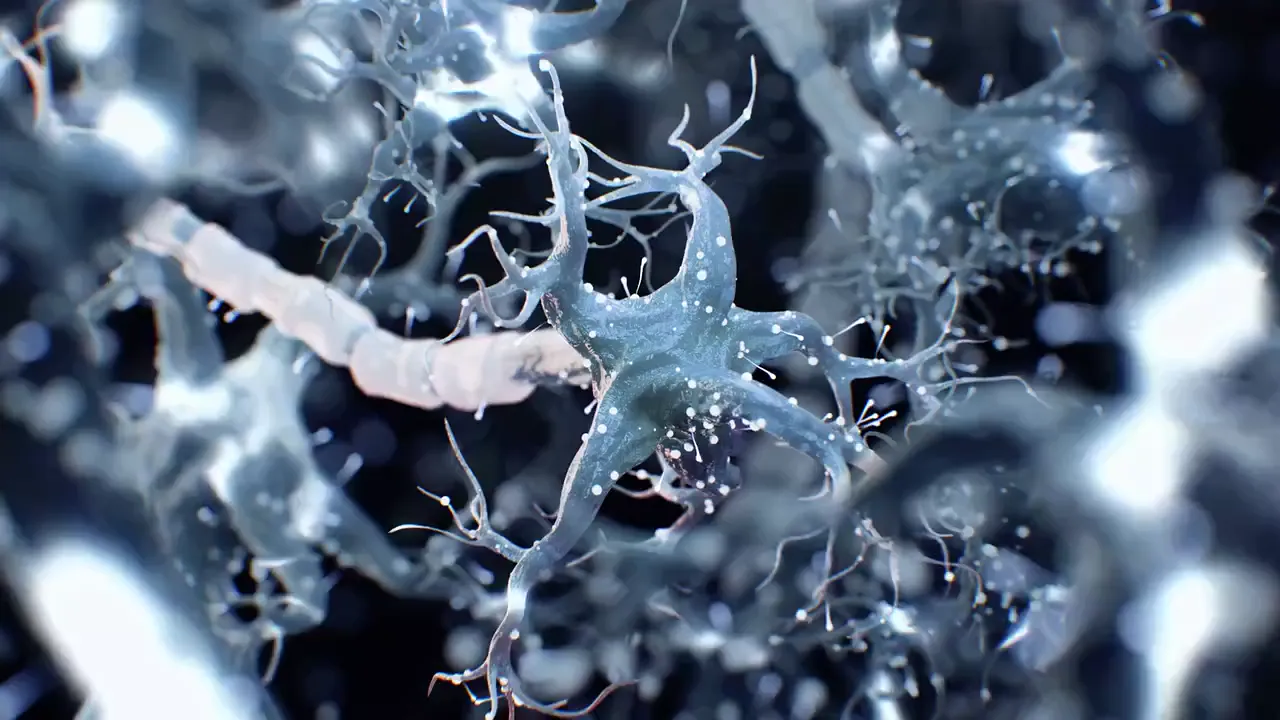
Peripheral neuropathy is damage to the nerves that carry signals between your spinal cord and the rest of your body. It usually starts in the toes and the soles of the feet, and over time it can creep up the legs and into the hands. Doctors often describe this as a “stocking and glove” pattern.
People describe neuropathy in the feet in different ways, but most notice some mix of:
- Burning, stabbing or electric nerve pain, often worse at night
- Numbness and tingling, pins and needles, or a feeling of walking on sand or gravel
- Loss of feeling, so it’s hard to sense the floor, your shoes or hot water
- Weak feet, poor balance and a higher risk of falling
- Sensitivity so strong that even bed sheets hurt
Diabetes is the most common cause: diabetic neuropathy affects roughly half of people with diabetes. Neuropathy can also follow chemotherapy, vitamin B12 deficiency, heavy alcohol use, thyroid disease or an old injury or foot surgery, and sometimes no single cause is ever found. Whatever started it, walking, exercise, sleep and favorite hobbies get harder every year.
Why neuropathy medications only mask the pain
The usual prescriptions for nerve pain, such as gabapentin, pregabalin and duloxetine, work by turning down the volume on pain signals. They can take the edge off, but they don’t repair anything, and many people put up with drowsiness, dizziness, brain fog or weight gain just to get through the day.
Peripheral nerves depend on a web of microscopic blood vessels, called the vasa nervorum, for oxygen and nutrients. In diabetic neuropathy, research shows that some of the earliest changes are the narrowing and breakdown of these tiny vessels, and nerve function declines as the blood supply fails. That means neuropathy is really two problems: injured nerves, and poor circulation to those nerves.
How stem cell and MVASC treatment for neuropathy works
At Spectrum Stem Cell & Regenerative Medicine Center, our physicians combine two regenerative treatments so each one does the job it is best at.
MVASC microvascular tissue: rebuilding circulation to the nerves
MVASC is a donor-screened microvascular tissue graft. It is processed to preserve fragments of the body’s smallest blood vessels (arterioles, capillaries and venules) along with the natural tissue matrix and the blood-vessel-building and nerve-supporting growth factors found in that tissue. Placed under the skin of the affected areas of the foot, it acts as a framework for new small vessels to form, so more oxygen-rich blood can reach struggling nerves.
Stem cell injections for neuropathy: calming inflammation and supporting nerve repair
Mesenchymal stem cells, from your own bone marrow or fat or from other stem cell and regenerative biologics, act as the body’s repair coordinators. They quiet the inflammation that keeps nerves irritated and release growth signals, including nerve growth factor (NGF) and brain-derived neurotrophic factor (BDNF), that help nerve fibers recover.
Neuropathy research: what the studies show
The HIFLO randomized trial
The microvascular tissue we use, mVASC, was tested in the HIFLO trial: a randomized, controlled study at six U.S. medical centers, published in the International Wound Journal. It enrolled 100 people with diabetes, neuropathy and hard-to-heal foot ulcers. Compared with standard care, patients treated with mVASC saw:
- 118% improvement in foot sensation on the standard monofilament touch test, versus 11% with standard care, with gains appearing within the first 2 to 4 weeks
- A 62% smaller area of numbness on the foot and lower leg, versus 16% (mapped in a sub-study)
- A 60% increase in blood flow to the treated area, while blood flow in the standard-care group fell 67% (imaging sub-study)
- Nearly double the healing rate: 74% of ulcers closed within 12 weeks, versus 38%, with about nine times the odds of healing
- No adverse events related to the treatment
Case report: 10 years of numbness, sensation restored
A 62-year-old man with type 2 diabetes had lived with numbness, burning and pain in his right foot for 10 years. He could feel only 3 of 10 test points on the monofilament exam. He received a single mVASC treatment: six small injections under the skin of the ball of the foot, heel and arch. His sensation improved at every visit, reaching 9 of 10 points at 12 months, and was unchanged at 18 months. The burning and pain did not return.
Case report: from 1 in 10 to full sensation
A 48-year-old man with diabetes and kidney disease had almost no feeling in his left foot: just 1 of 10 test points. Within four months of a single mVASC treatment he had full sensation, 10 of 10, and he kept it at every follow-up visit through 48 months, with no pain during or after treatment.
Stem cell research
A 2024 meta-analysis of 23 laboratory studies of diabetic neuropathy, published in Frontiers in Bioengineering and Biotechnology , found that mesenchymal stem cells significantly improved both motor and sensory nerve conduction speed and restored small nerve fibers in the skin.
What to expect during stem cell treatment for neuropathy in the feet
Who is a candidate for regenerative neuropathy treatment?
You may be a good fit if:
- You have burning, tingling or numbness in your feet from diabetes or another cause
- Medication hasn’t given you enough relief, or the side effects are wearing you down
- Poor balance or foot pain is limiting walking, exercise, golf or time with family
- You want a non-surgical neuropathy treatment that works on the cause, not just the symptoms
If you have an open wound or infection on your foot, we’ll make sure it is being cared for first. Your physician will tell you honestly whether treatment makes sense for you.
Stem cell treatment for neuropathy near Milwaukee, Wauwatosa and Brookfield
We see patients from Milwaukee, Wauwatosa, Brookfield, Waukesha, the North Shore and across Wisconsin and Northern Illinois. Start with a free phone consultation with a doctor; a Care Coordinator will call you back within 2 hours during business hours.
- Spectrum Stem Cell & Regenerative Medicine Center, 2500 N. Mayfair Rd., Suite 630, Wauwatosa, WI 53226
- Phone 414-420-9008 · Fax (414) 973-2870
- Hours: Monday–Friday 9 AM–5 PM, Saturday 9 AM–3 PM, Sunday closed
Most insurance plans, including Medicare, do not cover these injections, though related testing and imaging may be covered. We accept cash, checks, all major credit and debit cards, and HSA and FSA cards, and we offer easy monthly financing through CareCredit and Cherry.
Your neuropathy treatment physicians
Every procedure at Spectrum is performed by a physician. Dr. Roman Berezovski and Dr. Alan Locke work side by side and bring decades of combined experience in regenerative and procedural medicine.


Peripheral neuropathy treatment FAQs
Where can I get stem cell treatment for neuropathy near me?
Can neuropathy in the feet be reversed?
Does stem cell therapy work for neuropathy?
What is the best treatment for diabetic neuropathy in the feet?
Is stem cell or MVASC treatment for neuropathy FDA approved?
How many treatments will I need?
How soon will I feel a difference?
Does the procedure hurt, and are there side effects?
Do I need to stop my neuropathy medications?
Does insurance cover neuropathy treatment with stem cells or MVASC?
Where do your neuropathy patients come from?
References
- Gould LJ, Orgill DP, Armstrong DG, et al. Improved healing of chronic diabetic foot wounds in a prospective randomised controlled multi-centre clinical trial with a microvascular tissue allograft. International Wound Journal. 2022;19(4):811–825.
- Crockett HC. Case study: diabetic peripheral neuropathy treated with mVASC. New West Sports Medicine & Orthopedic Surgery, Kearney, NE. Published by MicroVascular Tissues, Inc.; 2022.
- Zelen CM. Case study: diabetic peripheral neuropathy treated with mVASC. Professional Education and Research Institute, Roanoke, VA. Published by MicroVascular Tissues, Inc.; 2023.
- Li Y, et al. Evaluating the efficacy of mesenchymal stem cells for diabetic neuropathy: a systematic review and meta-analysis of preclinical studies. Frontiers in Bioengineering and Biotechnology. 2024;12:1349050.
- Dyck PJ, Kratz KM, Karnes JL, et al. The prevalence by staged severity of various types of diabetic neuropathy, retinopathy, and nephropathy in a population-based cohort: the Rochester Diabetic Neuropathy Study. Neurology. 1993;43:817–824.
- Nukada H. Ischemia and diabetic neuropathy. Handbook of Clinical Neurology. 2014;126:469–487.
Ready to feel your feet again?
Start with a free phone consultation with a doctor. We’ll talk through your symptoms and tell you honestly whether regenerative neuropathy treatment is right for you.
